Cardiology consultation · Thane
Questions about your heart?
Start here.
Whether you have a symptom that worries you, a test result you do not understand, or a family history you want to be sure about — a consultation gives you clarity and a clear next step.

Overview
A conversation, not a checklist.
A cardiology consultation is time with a specialist who listens to your story, examines you, reviews your reports and explains what is — and is not — a concern.
Dr. Dhanse may suggest tests such as an ECG, echocardiogram or blood tests if needed, and will explain the results in plain language, with a plan for what comes next.
Many consultations end in reassurance and simple advice. Others identify a condition early, when treatment works best.
Who it’s for
You might book a consultation if you have
Chest discomfort or breathlessness
That is new, unexplained or worrying you.
Palpitations or dizziness
Episodes of a racing, skipping or pounding heartbeat.
High blood pressure or cholesterol
And you want a cardiologist’s view on your overall risk.
A family history of heart disease
Particularly early heart attacks or sudden cardiac death in relatives.
Reports you do not understand
ECG, echocardiogram, stress test or scan results you would like explained.
A second opinion
Before a procedure or major decision about your heart.
If you have severe chest pain, fainting or difficulty breathing, call 112 or go to the nearest emergency department.
The process
What happens at your first visit.
Every step is explained, and every decision is yours.
Request an appointment- 01
Share your story
Your symptoms, concerns, medical history and what matters to you — with time to ask questions.
- 02
Examination and tests
A careful examination, and an ECG or other tests where they will help.
- 03
Clear explanation
What the findings mean, in plain language and without unnecessary jargon.
- 04
A plan that fits
Recommendations for treatment, lifestyle and follow-up that fit your life.
Common questions
On your mind.
Answered.
About cardiology consultation.
Previous ECGs, blood tests and scan reports, discharge summaries from past hospital visits, a list of current medicines and doses, and a brief note of your symptoms and when they started.
You can contact the hospital directly to arrange an appointment. A referral from your family doctor is helpful but is not always required.
Only if they are likely to help. Dr. Dhanse will explain why a test is being suggested and what it will show.
Related care
You may also want
to explore.
 01
Coronary interventions
Specialist assessment and minimally invasive treatment for narrowed or blocked heart arteries.
 02
Heart failure care
A personalised plan to manage symptoms, support heart function, and improve everyday wellbeing.
 03
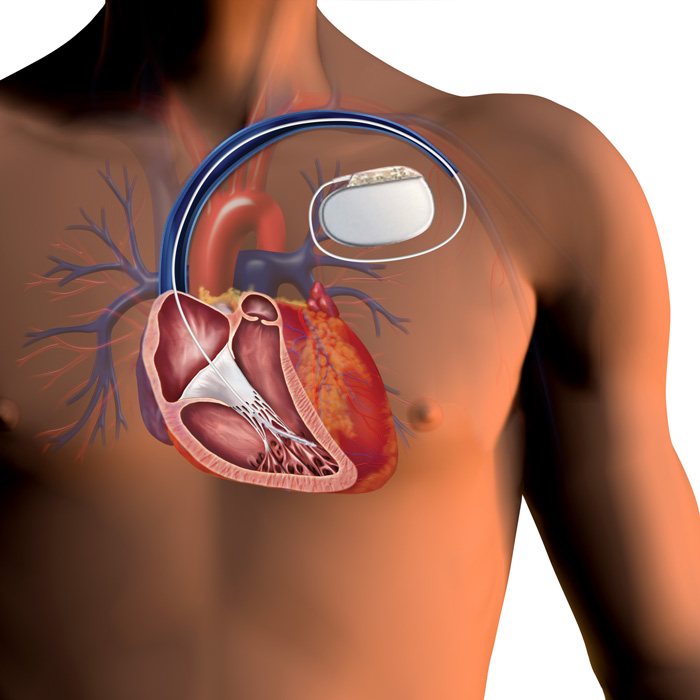
Pacemakers & ICDs
Expert guidance on cardiac devices for slow heart rhythms and selected abnormal heart rhythms.
Treatment is recommended after individual clinical evaluation. Images are illustrative.
Ready when you are.
A thoughtful conversation can be the start of better heart health.