Peripheral interventions · Thane
Healthy vessels.
Free movement.
Blood vessels in the legs, arms and elsewhere can narrow just like the arteries of the heart. Dr. Dhanse offers specialist evaluation and minimally invasive treatment for peripheral vascular disease.
Overview
Care for narrowed blood vessels outside the heart.
Peripheral artery disease (PAD) occurs when arteries that supply the legs and other parts of the body become narrowed, reducing blood flow. It often goes unnoticed until walking becomes painful or a wound refuses to heal.
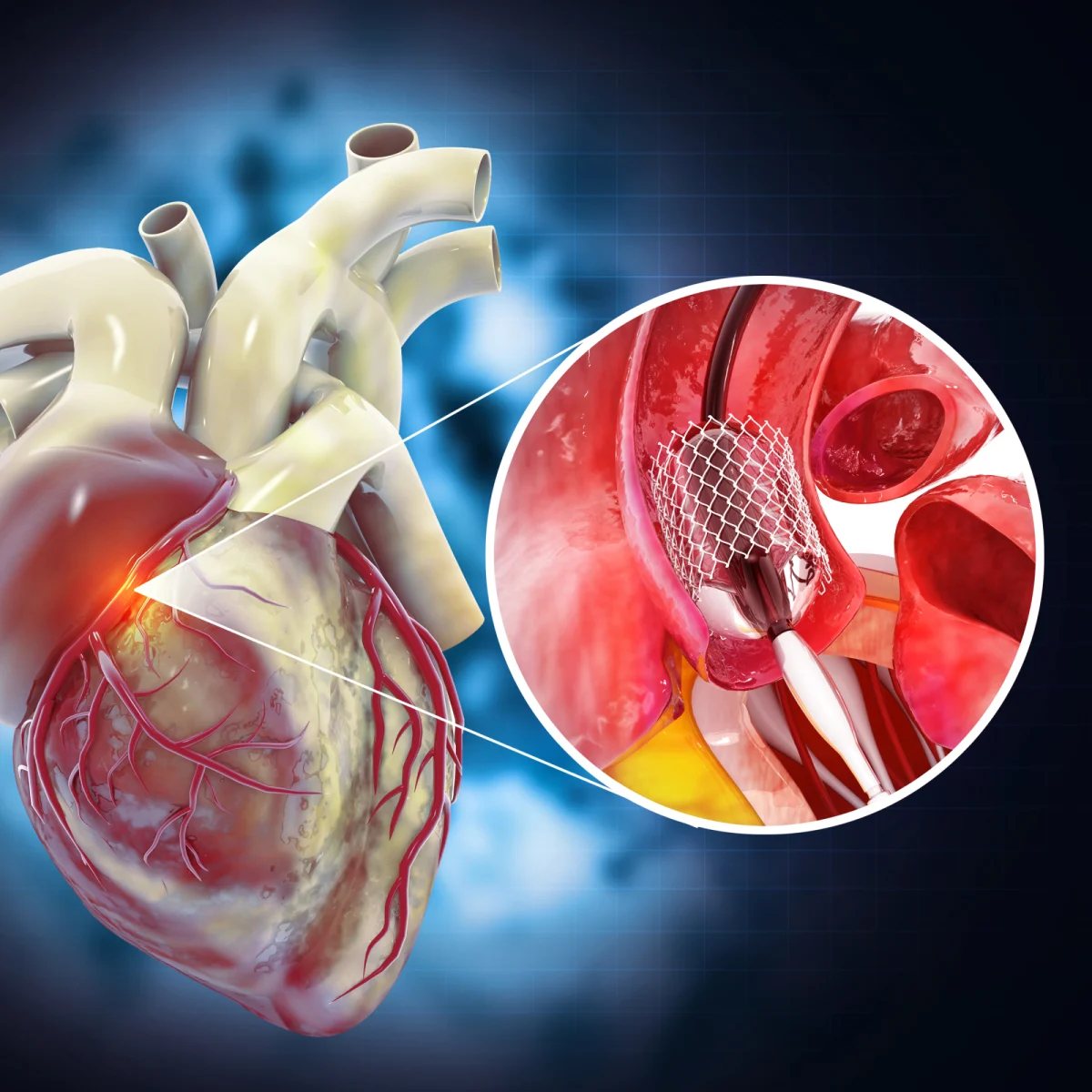
Peripheral interventions use thin catheters guided by imaging to open narrowed vessels through a small puncture, often with balloon angioplasty or stenting, where it is judged suitable.
Many people are first treated with medicines, walking programmes and risk-factor control. Procedures are considered when symptoms or findings call for them.
Who it’s for
A vascular assessment may help if you have
Leg pain on walking
Cramping in the calf, thigh or buttock that eases within minutes of rest.
Cold or pale feet
One foot or leg noticeably colder, paler or weaker than the other.
Slow-healing wounds
Sores on the toes, feet or legs that are slow to heal.
Diabetes or smoking history
Both are strong risk factors for narrowed blood vessels.
Weak or absent pulses
In the feet or legs, noted during an examination.
A known vascular diagnosis
And you want a specialist opinion on treatment options.
If you have severe chest pain, fainting or difficulty breathing, call 112 or go to the nearest emergency department.
The process
What the journey looks like.
Every step is explained, and every decision is yours.
Request an appointment- 01
Clinical assessment
History, examination and pulse and pressure checks to understand how well blood is reaching your limbs.
- 02
Imaging
Doppler ultrasound, CT or angiography where appropriate to map the narrowed vessels.
- 03
Choosing treatment
Medicines, exercise, or an endovascular procedure — matched to the findings and to what matters to you.
- 04
Protecting the future
Risk-factor control and regular follow-up to keep vessels healthy and prevent recurrence.
Common questions
On your mind.
Answered.
About peripheral interventions.
No — it can have other causes such as nerve or joint problems. A proper evaluation helps tell them apart and guides the right treatment.
Many vessel narrowings can be treated with minimally invasive catheter-based procedures. Some cases need other approaches, which will be discussed with you if that is the case.
Stopping smoking, controlling diabetes, blood pressure and cholesterol, and staying active are among the most effective steps. Your doctor can tailor advice to you.
Related care
You may also want
to explore.
 05
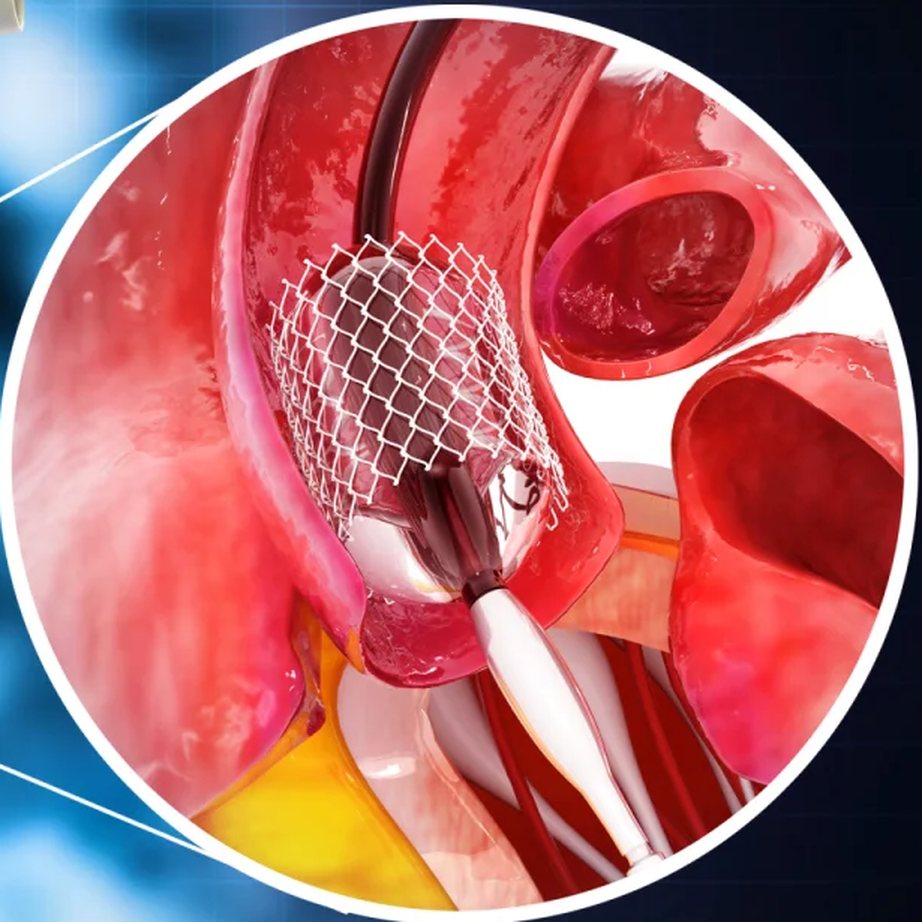
Renal artery stenting
Specialist evaluation of narrowed kidney arteries and whether a catheter-based treatment is appropriate.
 01
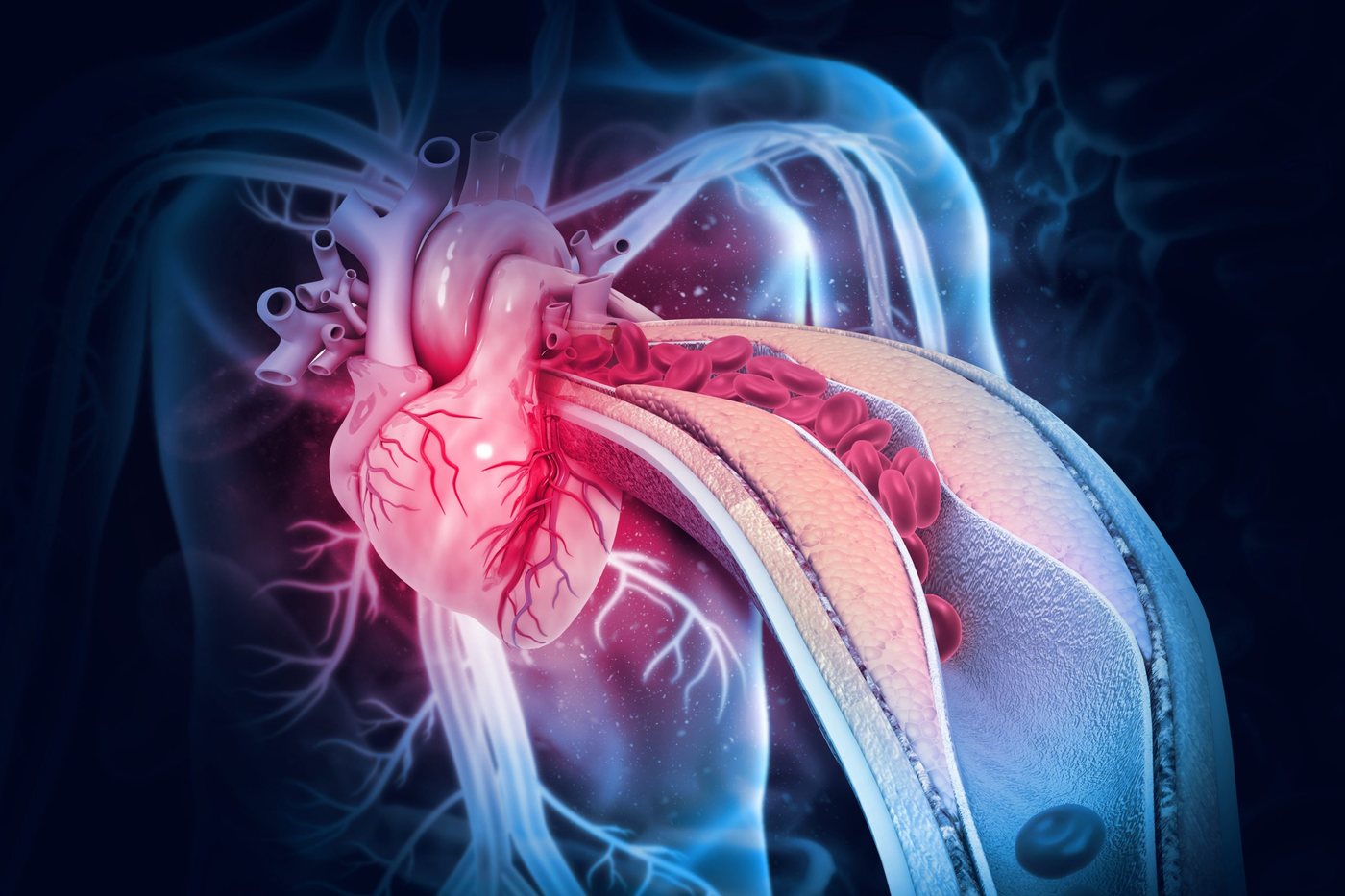
Coronary interventions
Specialist assessment and minimally invasive treatment for narrowed or blocked heart arteries.
 06
Cardiology consultation
A clear understanding of your symptoms, risks, and next steps — from a doctor who takes time to listen.
Treatment is recommended after individual clinical evaluation. Images are illustrative.
Ready when you are.
A thoughtful conversation can be the start of better heart health.