Heart failure care · Thane
A stronger heart.
A fuller life.
Heart failure does not mean your heart has stopped — it means it needs support. With the right plan, many people feel better, stay out of hospital and keep doing what matters to them.

Overview
Support for a heart that needs a little help.
Heart failure happens when the heart cannot pump blood as effectively as the body needs. It can follow a heart attack, long-standing high blood pressure, valve problems, rhythm problems or other conditions of the heart muscle.
Care focuses on understanding the cause, easing symptoms such as breathlessness and swelling, protecting heart function with the right medicines, and helping you recognise early warning signs before they become serious.
Because heart failure is a long-term condition, ongoing review and a plan you understand are as important as any single prescription.
Who it’s for
This care may be right for you if you notice
Breathlessness
During everyday activity, when lying flat, or waking at night short of breath.
Swelling
In the ankles, feet, legs or abdomen, or sudden weight gain over a few days.
Persistent tiredness
Feeling unusually fatigued or unable to do what you could before.
A diagnosis of weak heart function
Following an echocardiogram or after a heart attack.
Frequent hospital visits
Repeated admissions for breathlessness or fluid build-up.
Questions about medicines
Wanting to understand your treatment and how to manage it day to day.
If you have severe chest pain, fainting or difficulty breathing, call 112 or go to the nearest emergency department.
The process
How we work with you.
Every step is explained, and every decision is yours.
Request an appointment- 01
Understand the cause
Evaluation with examination, ECG, echocardiography and blood tests where needed to find what is behind your symptoms.
- 02
Build your plan
Medicines and, where suitable, devices or procedures — tailored to your heart function and your life.
- 03
Day-to-day guidance
Practical advice on fluids, salt, activity, weight monitoring and warning signs to watch for.
- 04
Regular review
Scheduled follow-up so your treatment can be adjusted as your heart and your needs change.
Common questions
On your mind.
Answered.
About heart failure care.
For many people, symptoms and heart function can improve with the right treatment and lifestyle changes. Outcomes depend on the underlying cause, and your doctor can discuss what to expect in your case.
Your doctor may advise tracking daily weight, swelling, breathlessness and blood pressure, and will tell you which changes should prompt you to call.
Heart failure medicines are often long-term because they protect the heart. Never stop them without speaking to your doctor first.
Related care
You may also want
to explore.
 03
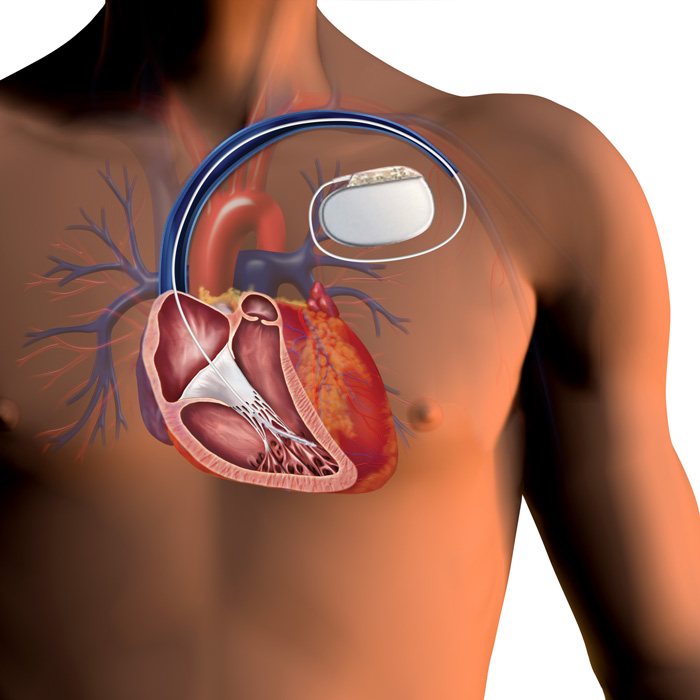
Pacemakers & ICDs
Expert guidance on cardiac devices for slow heart rhythms and selected abnormal heart rhythms.
 01
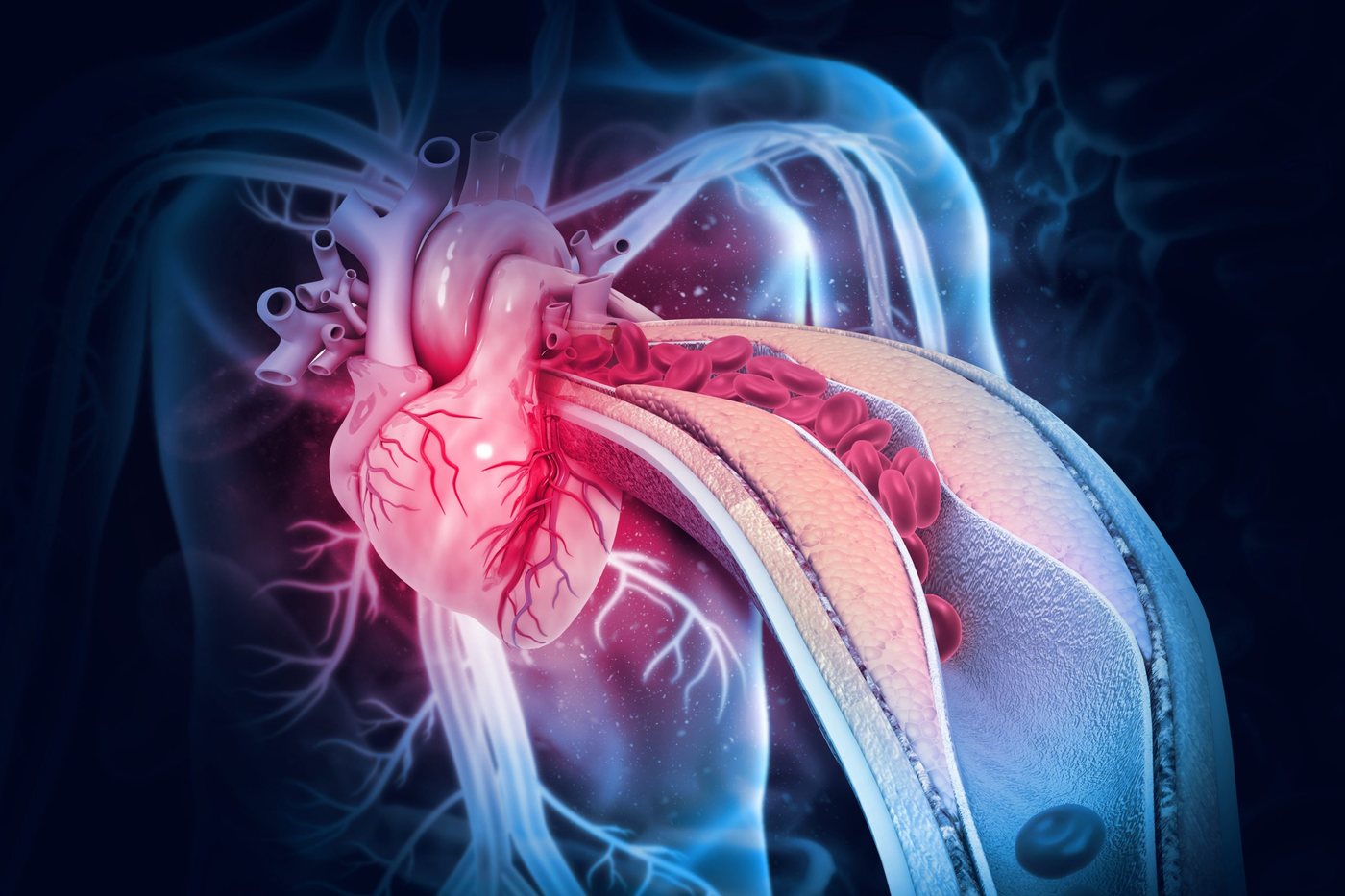
Coronary interventions
Specialist assessment and minimally invasive treatment for narrowed or blocked heart arteries.
 06
Cardiology consultation
A clear understanding of your symptoms, risks, and next steps — from a doctor who takes time to listen.
Treatment is recommended after individual clinical evaluation. Images are illustrative.
Ready when you are.
A thoughtful conversation can be the start of better heart health.