Pacemakers & ICDs · Thane
A steady rhythm.
Peace of mind.
Modern pacemakers and defibrillators can protect people from dangerous rhythm problems and help them live actively. Dr. Dhanse helps you understand whether a device is right for you — and looks after you afterwards.
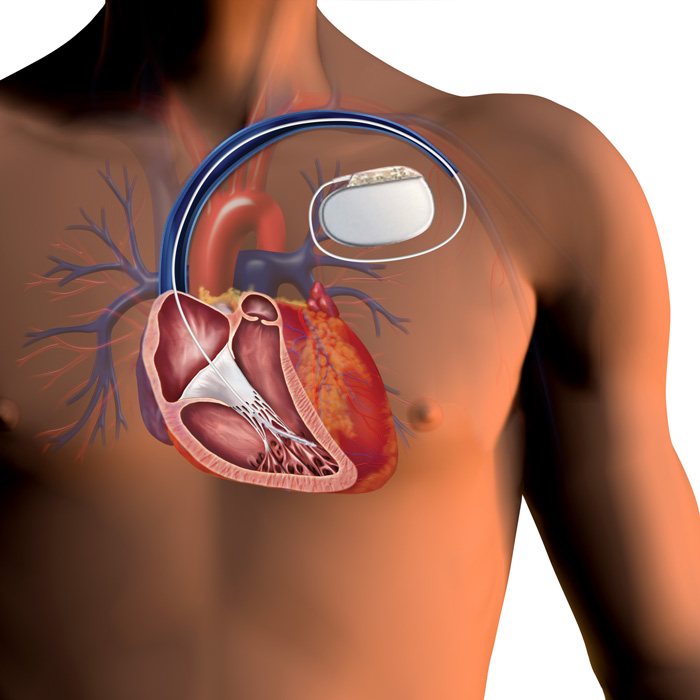
Overview
Devices that keep your heart in rhythm.
A pacemaker is a small device placed under the skin near the collarbone. It senses a heart rate that is too slow and delivers tiny electrical impulses to keep the heart beating at the right pace.
An implantable cardioverter-defibrillator (ICD) watches for dangerous fast rhythms and can treat them immediately. Some devices also help the two sides of the heart pump in a more co-ordinated way.
Whether a device is appropriate depends on your rhythm, symptoms, heart function and overall health — decided after careful evaluation, never by symptoms alone.
Who it’s for
A rhythm assessment may be advised if you have
Slow heartbeat
Dizziness, light-headedness or unusual tiredness linked to a slow pulse.
Fainting or near-fainting
Episodes of blacking out without clear cause.
Palpitations
A fluttering, racing or irregular heartbeat that keeps returning.
Weak heart function
Where there may be a risk of dangerous rhythm problems.
Previous dangerous rhythm
A history of a serious fast rhythm or cardiac arrest.
An existing device
And you need check-ups, battery review or troubleshooting.
If you have severe chest pain, fainting or difficulty breathing, call 112 or go to the nearest emergency department.
The process
From evaluation to follow-up.
Every step is explained, and every decision is yours.
Request an appointment- 01
Rhythm evaluation
ECG, Holter or other rhythm monitoring and echocardiography to understand what your heart is doing.
- 02
Is a device needed?
A frank discussion of benefits, risks and alternatives — so the decision is yours, made with clear information.
- 03
Implantation
A short procedure, usually under local anaesthesia, with careful monitoring and guidance on what to expect.
- 04
Device follow-up
Regular checks of the device, battery and settings, and advice for living confidently with it.
Common questions
On your mind.
Answered.
About pacemakers & icds.
Most people return to their usual routines after recovery. Your doctor will explain any precautions that apply to you, such as around certain equipment.
Battery life varies by device type and how often it is used, and is monitored at your follow-up visits so replacement can be planned well in advance.
A pacemaker treats a slow heartbeat, while an ICD is designed to detect and treat dangerous fast rhythms. Some people need a device that does both.
Related care
You may also want
to explore.
 02
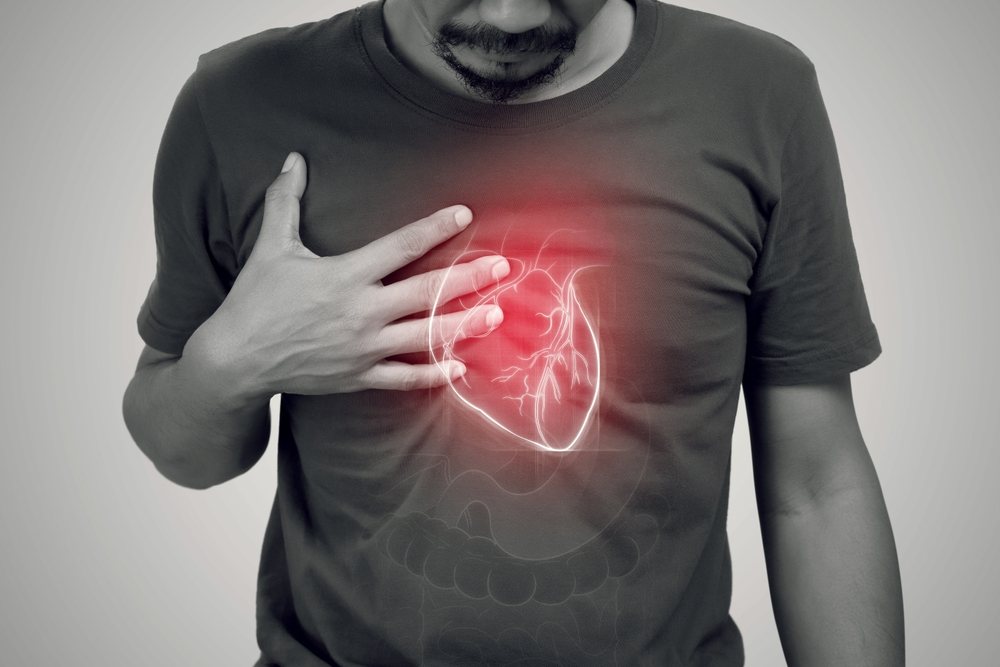
Heart failure care
A personalised plan to manage symptoms, support heart function, and improve everyday wellbeing.
 06
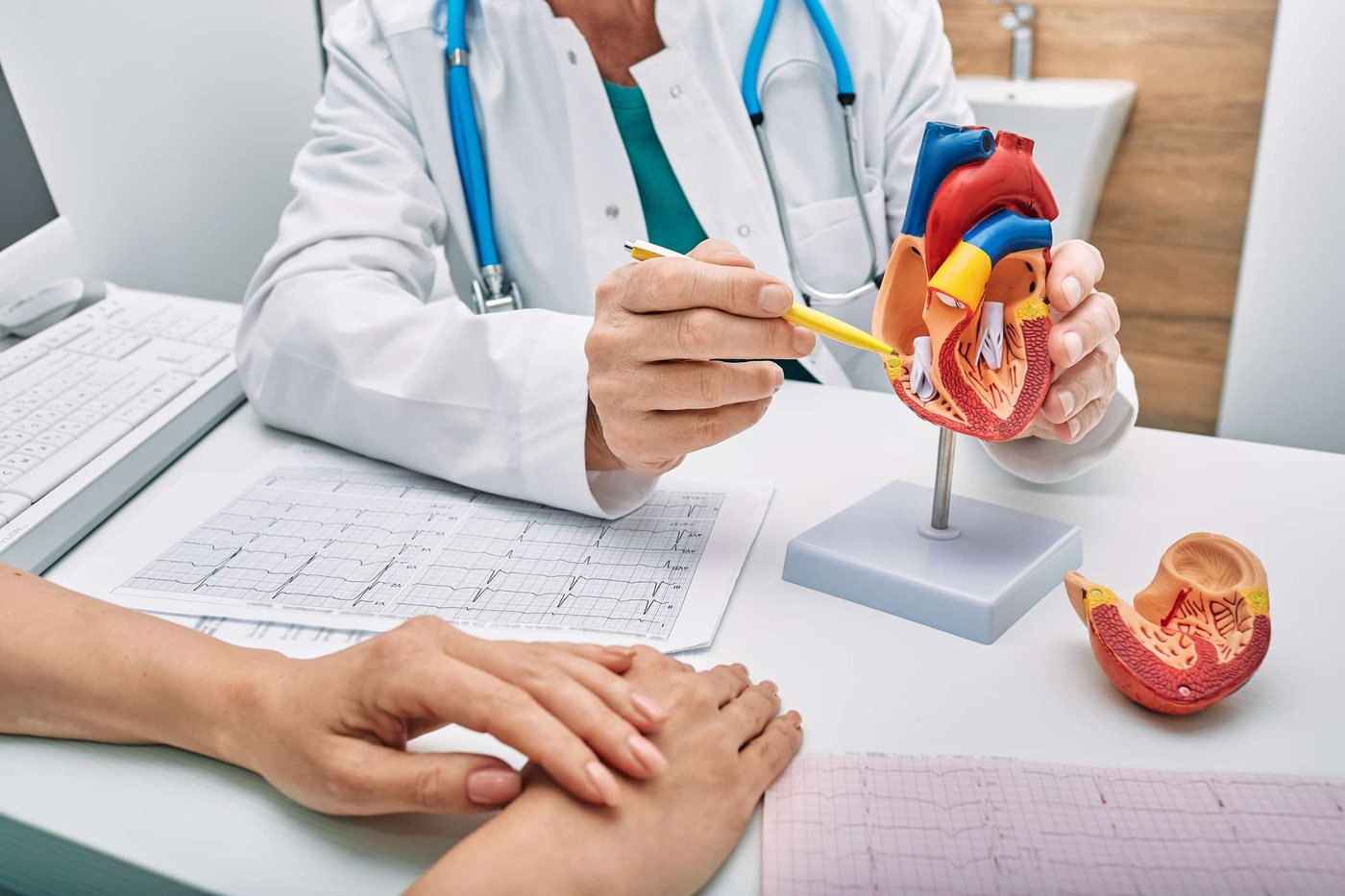
Cardiology consultation
A clear understanding of your symptoms, risks, and next steps — from a doctor who takes time to listen.
 01
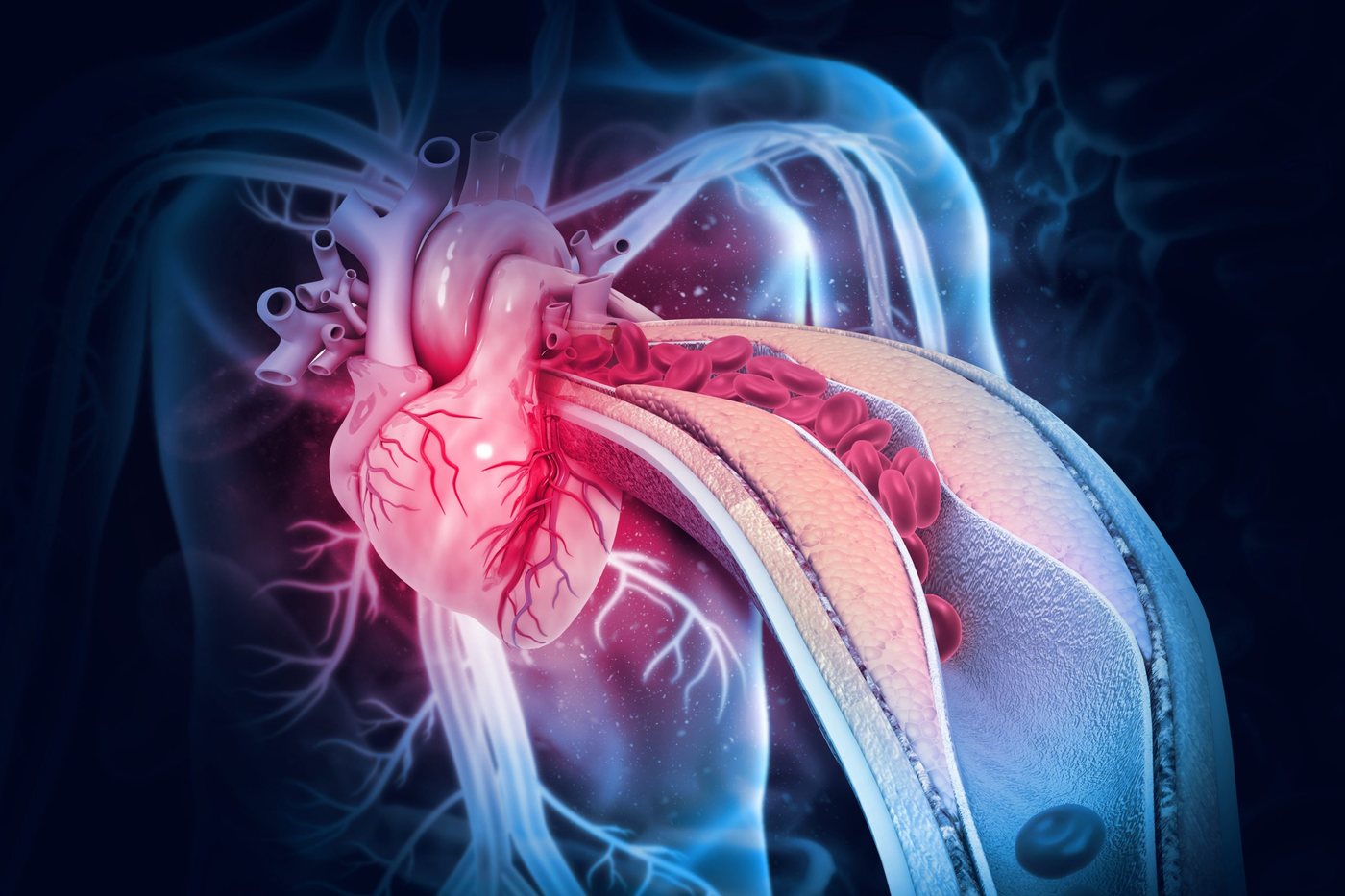
Coronary interventions
Specialist assessment and minimally invasive treatment for narrowed or blocked heart arteries.
Treatment is recommended after individual clinical evaluation. Images are illustrative.
Ready when you are.
A thoughtful conversation can be the start of better heart health.