Coronary interventions · Thane
Open arteries.
Open possibilities.
When the arteries that feed your heart become narrowed or blocked, timely assessment makes all the difference. Dr. Dhanse offers specialist evaluation and minimally invasive treatment, explained clearly at every step.
Overview
Treatment for narrowed or blocked heart arteries.
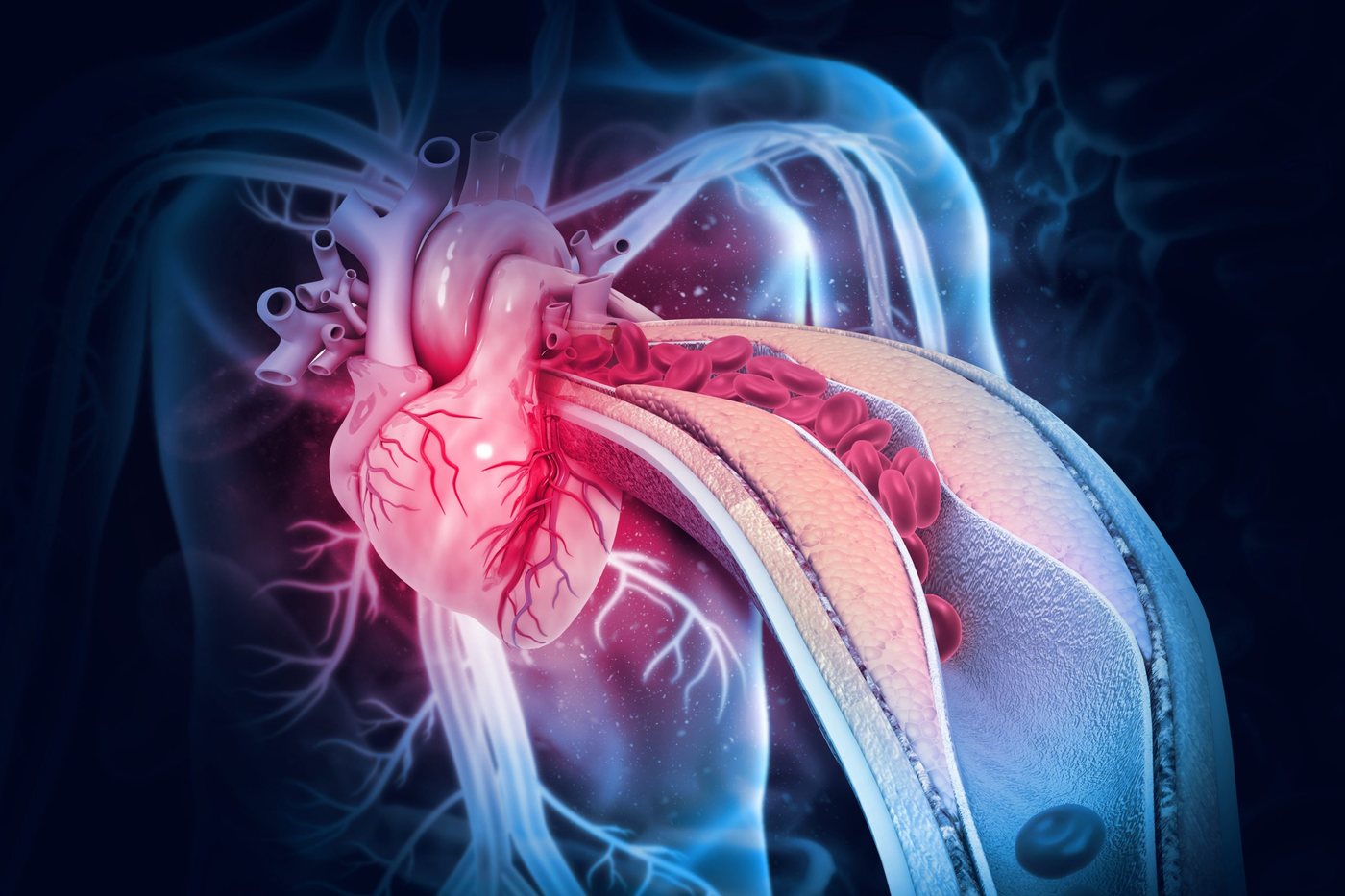
Coronary artery disease develops when fatty deposits narrow the arteries supplying blood to the heart muscle. This can cause chest discomfort, breathlessness, or — if an artery blocks suddenly — a heart attack.
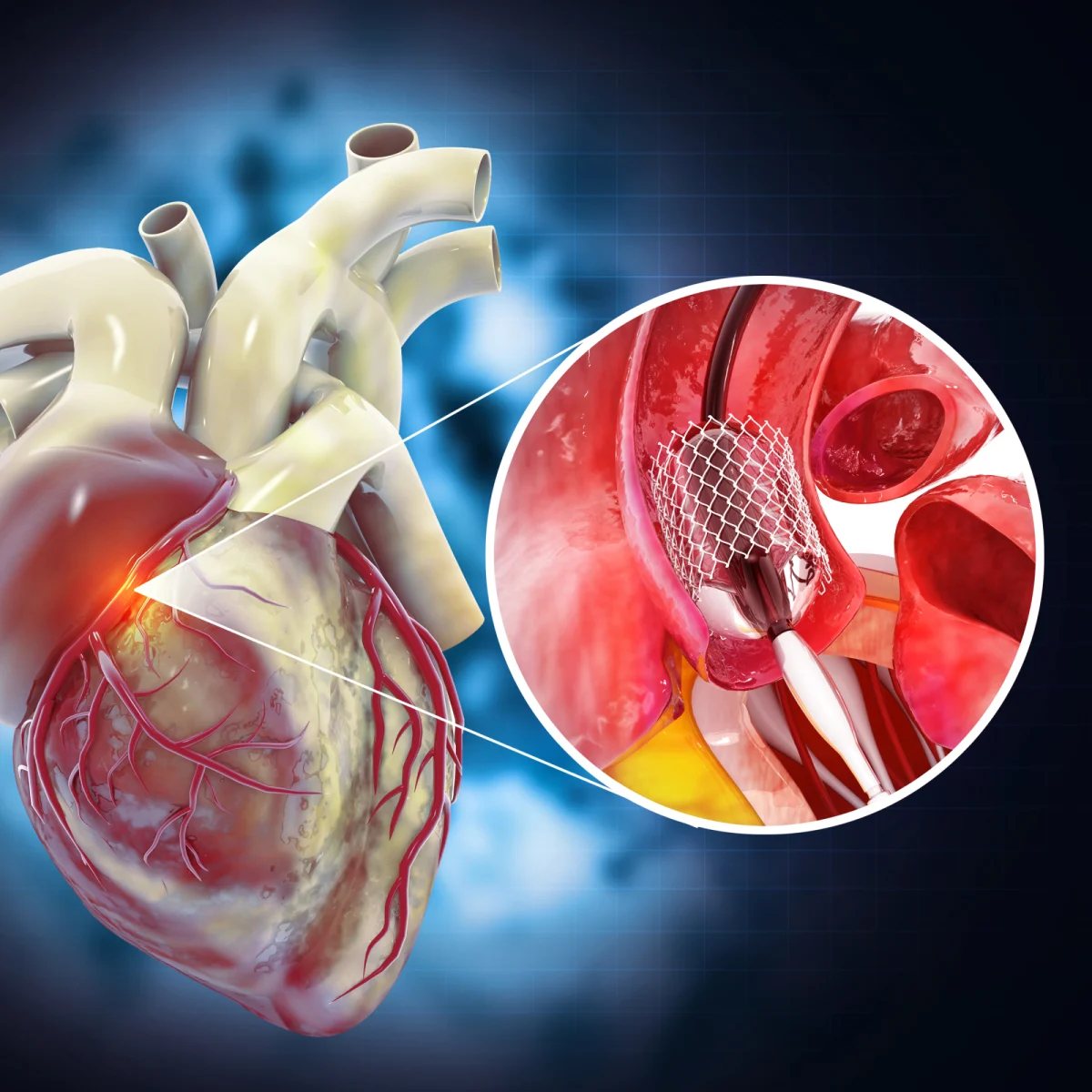
Coronary interventions are catheter-based procedures, performed through a small puncture in the wrist or groin, that help restore blood flow. They include coronary angiography to look at the arteries, and angioplasty with stenting where treatment is advised.
Not everyone with a narrowing needs a procedure. Medicines, lifestyle changes or surgery may be better for some people — the recommendation is always based on your individual evaluation.
Who it’s for
You may benefit from an assessment if you have
Chest pain, pressure or tightness
Especially when it comes on with exertion or stress and eases with rest.
Unexplained breathlessness
Getting out of breath more easily than you used to.
An abnormal ECG, stress test or scan
Where further evaluation of the heart arteries is suggested.
A previous heart attack or stent
And you need follow-up, review or ongoing care.
Strong risk factors
Diabetes, high blood pressure, high cholesterol, smoking or a family history of heart disease.
Recent symptoms of concern
New or changing symptoms that your doctor wants a specialist to review.
If you have severe chest pain, fainting or difficulty breathing, call 112 or go to the nearest emergency department.
The process
What to expect, step by step.
Every step is explained, and every decision is yours.
Request an appointment- 01
Detailed assessment
A thorough conversation about your symptoms and history, followed by an examination, ECG and any tests needed.
- 02
Looking at the arteries
If appropriate, coronary angiography shows exactly where and how severe any narrowing is.
- 03
Your options, explained
Medicines, angioplasty and stenting, or surgery — discussed in plain language so you can decide with confidence.
- 04
Recovery and follow-up
A clear plan for recovery, medicines and lifestyle, with continued review to protect your heart long term.
Common questions
On your mind.
Answered.
About coronary interventions.
No. Many narrowings are managed well with medicines and lifestyle changes. A procedure is recommended only when it is likely to help, after individual clinical evaluation.
Angiography and angioplasty are usually done under local anaesthesia through the wrist or groin. Most people feel pressure rather than pain, and the team will keep you comfortable throughout.
This varies from person to person. Many people return to light routine activity within days, but your doctor will give guidance specific to your procedure and health.
Related care
You may also want
to explore.
 04
Peripheral interventions
Targeted care for narrowed blood vessels outside the heart, with treatment matched to your needs.
 02
Heart failure care
A personalised plan to manage symptoms, support heart function, and improve everyday wellbeing.
 06
Cardiology consultation
A clear understanding of your symptoms, risks, and next steps — from a doctor who takes time to listen.
Treatment is recommended after individual clinical evaluation. Images are illustrative.
Ready when you are.
A thoughtful conversation can be the start of better heart health.